
12V Reading Light Buying Guide - Camper, RV and Boat Lighting
author: DAMAVO
2026-09-19
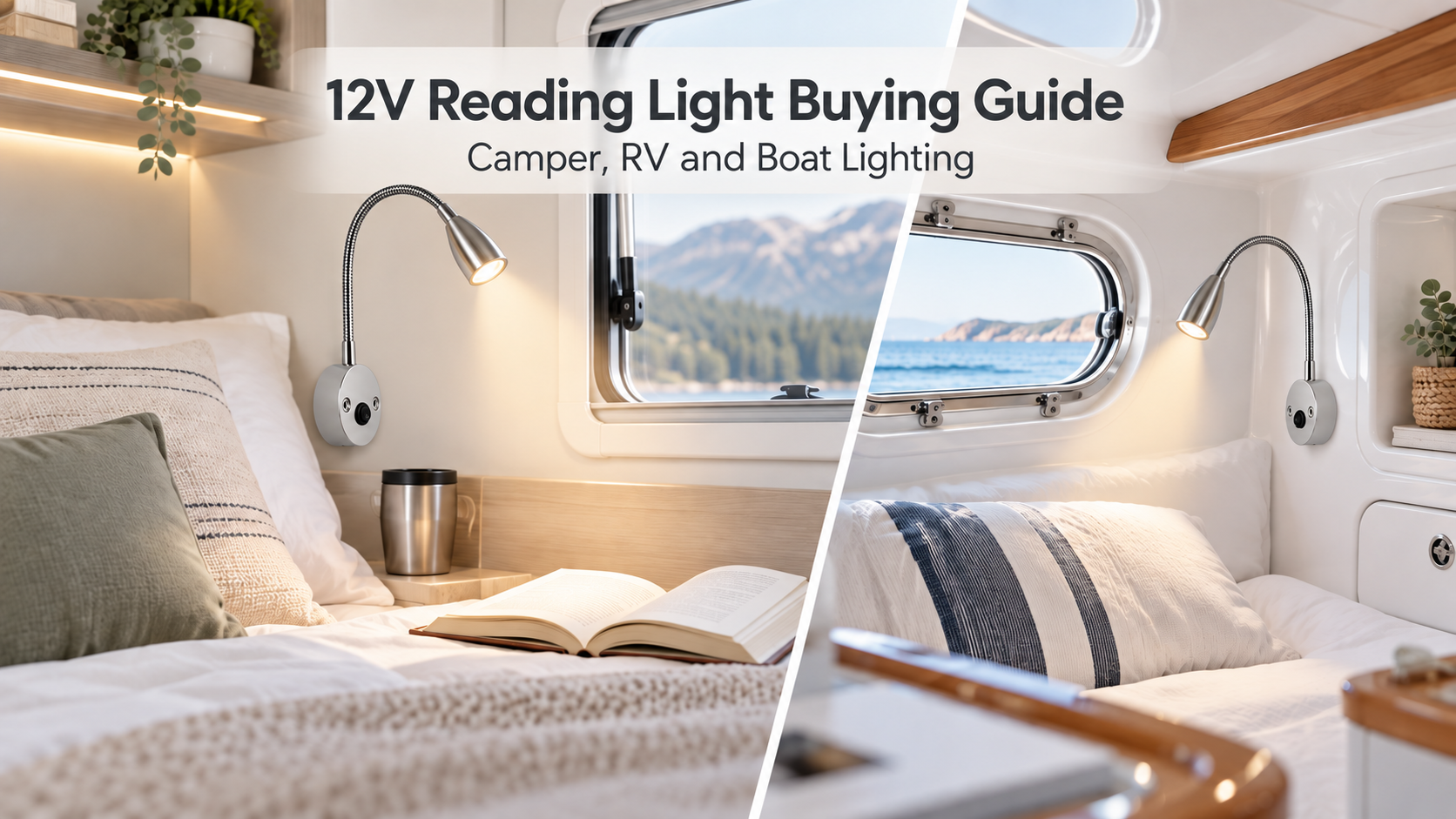
The way to light a camper or boat is a lot different than lighting a room in a house. Just like the camper, you don’t have a lot of space. Also, you will be dealing with a DC power source. You may also want the same light to do double duty.
This is why selecting a 12V reading light is not only about brightness.
The right reading light will be the right size for the space available, be aimed where illumination is desired, and be compatible with the existing electrical system of the vehicle or vessel. Another thing for many users that matters is the convenience of charging by USB.
Some of the more important things to check before buying are:
Put the Voltage First
Voltage is first.
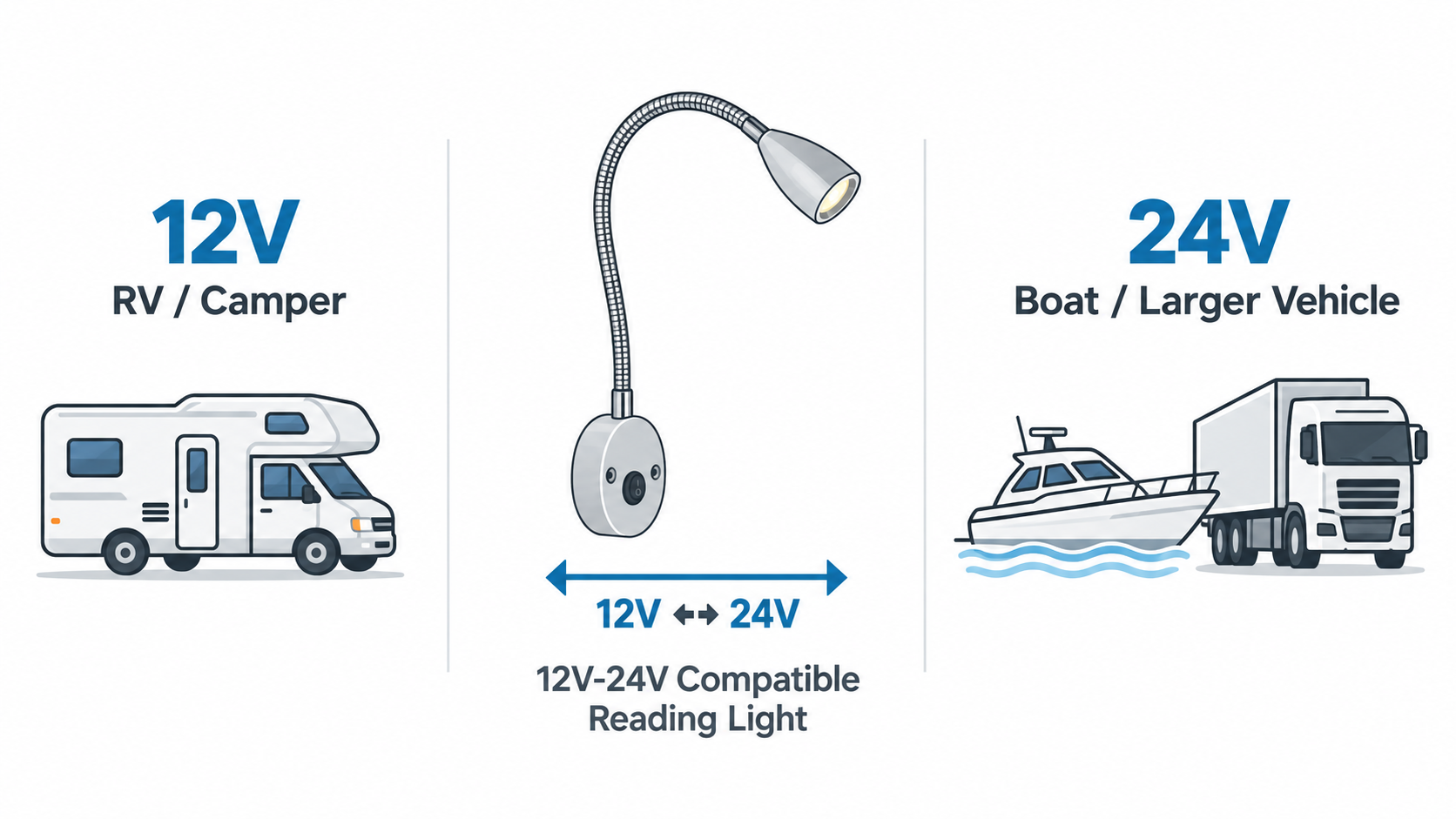
Most recreational vehicles and campers operate on 12V DC, while some boats and larger vehicles operate at 24 V. There are reading lights that operate only at 12V, and some operate on 12 V or 24 V.
This is something that could simply be overlooked, e.g. Two lamps being quite similar in appearance.
Didn‘t you also ask yourself if the system is 24V, so you won‘t end up in the nonsenses of trying to plug in a 12V lamp directly? In all cases, check all the rated input.
For an OEM project, it is better to confirm the voltage before making samples. It saves time later.
Why a Wall Mounted Reading Light Works Well in Small Spaces
In a camper or boat cabin, every bit of space matters.
A table lamp takes up room. A large ceiling light may be too bright when someone only wants to read for a few minutes.
A wall mounted reading light is more practical in this kind of space. It can sit beside a bed, bunk, sofa, or dinette without using the table surface.
It also gives more focused light.
That matters when two people share the same area. One person can read while the other rests without turning on all the interior lights.
Still, check the real size before ordering. Look at the base, lamp head, and arm length. A product can look small in a photo but feel quite large once it is fitted beside a narrow bunk.
Fixed Arm or Flexible Arm?
Both designs have their place.
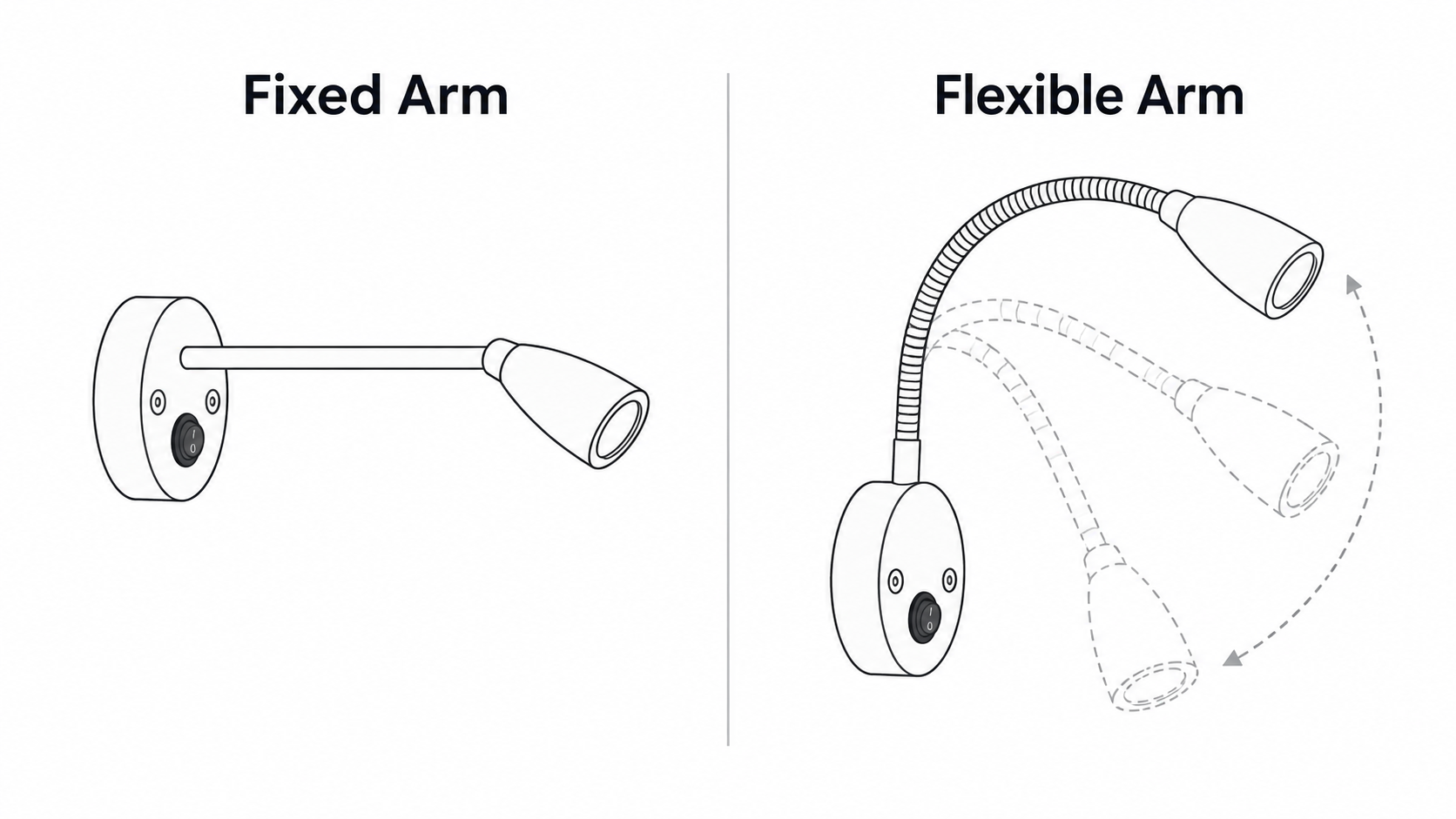
A fixed light is simple. If the reading position never changes, it may be all you need.
A flexible or gooseneck light gives the user more control. You can move the lamp closer to a book or tablet, then bend it back when you are finished.
This is fine in RVs because one space usually has many functions. In the daytime a bed can be somewhere to read, work or just sit down and relax.
Take notice of one small detail: the arm should remain in place when you move it.
If the neck is too loose, the lamp may slowly drop or move back. That gets annoying very quickly.
A fixed light is simple. If the reading position never changes, it may be all you need.
A flexible or gooseneck light gives the user more control. You can move the lamp closer to a book or tablet, then bend it back when you are finished.
This is fine in RVs because one space usually has many functions. In the daytime a bed can be somewhere to read, work or just sit down and relax.
Take notice of one small detail: the arm should remain in place when you move it.
If the neck is too loose, the lamp may slowly drop or move back. That gets annoying very quickly.
Is a Reading Light with USB Useful?
For many users, yes.
A reading light with USB means the same fitting can provide light and charging. That is useful beside a bed, where people often want to charge a phone overnight.
It also reduces the need for an extra USB socket.
USB-A is still common, but USB-C is now used on many newer phones and tablets. Some USB-C ports can also support higher charging power.
The important part is not only the port shape.
Look at the actual output.
Two lamps could both have USB charging, but one may charge much faster than the other. If you are going to sell the USB charging feature, then the output should be made clear in the specification.
Consider the Lighting Color as Well as Brightness
A reading light doesn’t need to be overly bright.
In a small cabin too much light may even be uncomfortable.
Warm white light approximately 3000K generally feels softer for sleeping areas. Neutral white light around 4000K provides a cleaner feel and is also good for reading.
The cool white light may seem brighter but some find it too harsh at night.
This is one reason why multi-color reading lights are useful. The user can choose a warmer light before sleep and a clearer light for reading.
Beam direction also matters.
A focused lamp aimed at the page can be more useful than a brighter lamp that throws light across the whole cabin.
Where Should the Light Be Installed?
The best position depends on how the space is used.
Common locations include beside an RV bed, above a bunk, next to a sofa, or inside a boat cabin.
Before drilling the mounting holes, sit or lie in the normal reading position.
Can the light reach the right place?
Can you touch the switch without stretching?
If the lamp has a flexible arm, does it have enough room to move?
These simple checks are easy to do and can prevent a poor installation.
A light that looks perfect on a drawing may feel awkward once a cabinet, curtain, or headboard is nearby.
Materials Matter in RV and Marine Use
RVs and boats move. They shake, vibrate, and may be used in humid conditions.
That puts more stress on a lamp than normal indoor use.
A solid base and stable arm are important. Metal parts such as an aluminum lamp head or base can also give the fixture a stronger feel.
But for marine use, moisture deserves more attention.
It can also be more humid inside a boat cabin, even if it is indoors, than in a regular household bedroom. The surface finish, the wiring, the connectors, and the mounting parts must be suitable for such conditions.
The lamp does not have to look heavy; it just needs to be robust. The assembly should feel stable.
What Should OEM Buyers Confirm?
For OEM buyers, the product appearance is only one part of the job.
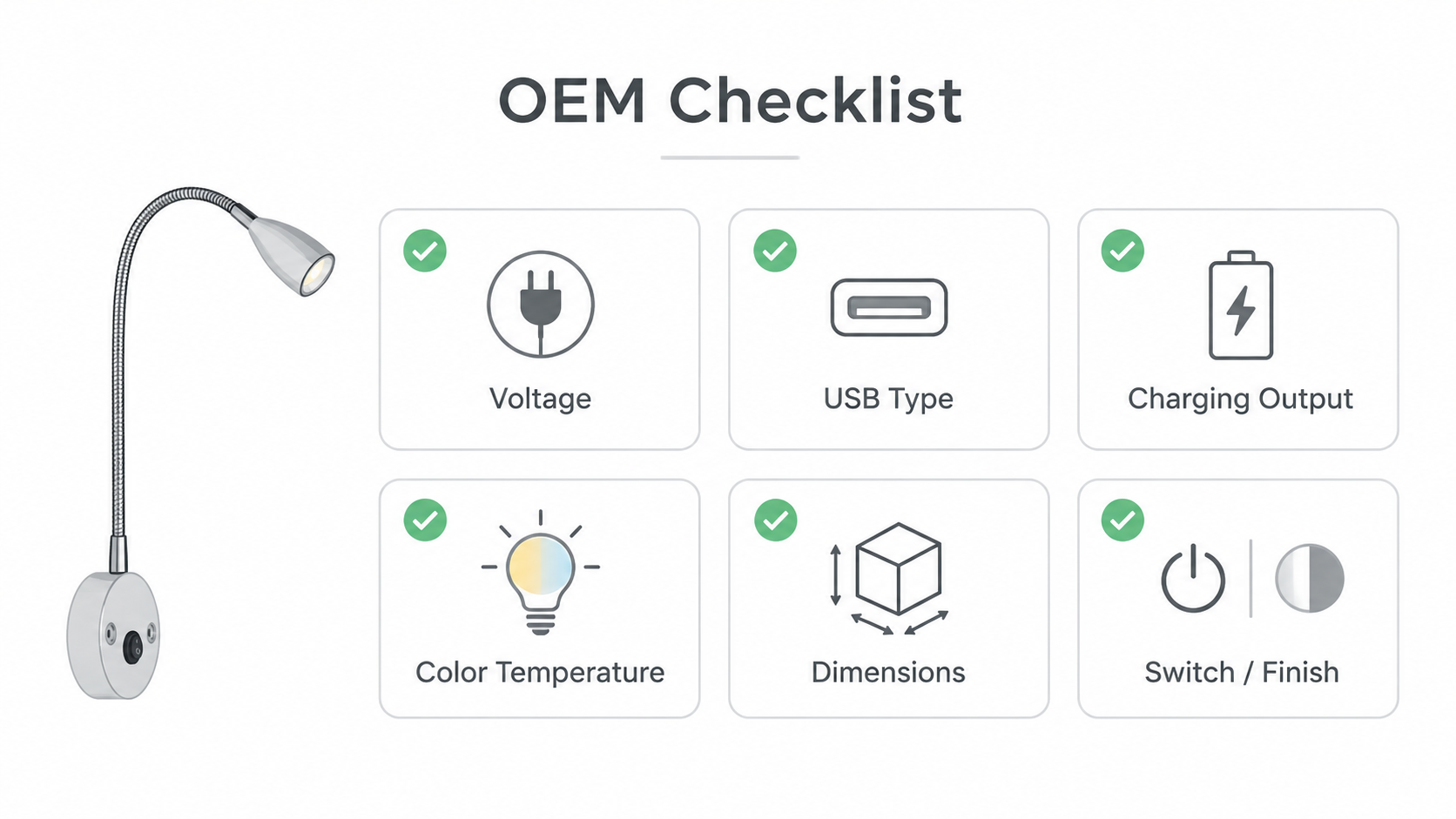
It helps to confirm the main requirements before asking for a sample.
These usually include:
input voltage
USB-A or USB-C
charging output
color temperature
arm length
base size
switch type
housing color
surface finish
logo
packaging
If the lamp will be installed in a new RV or boat model, an installation drawing is also useful.
The more information that is clear at the start, the fewer changes are usually needed later.
A Few Common Buying Mistakes
One common mistake is choosing a lamp mainly because of its shape.
A good-looking light may still be wrong for the space.
Another mistake is checking the USB port but not the USB output.
Mounting size is also easy to forget. The base may fit, but the lamp arm may hit a cabinet once it is moved.
Voltage, switch position, beam direction, and color temperature should all be checked before the final choice.
For a small product, there are quite a few details.
Quick Checklist
Before buying a 12V reading light, make sure you know:
the system voltage
available mounting space
fixed or flexible arm preference
preferred color temperature
USB-A or USB-C requirement
charging output
switch position
mounting dimensions
material requirements
If these points are clear, choosing the right light becomes much easier.
FAQ
Can a 12V reading light work on 24V?
Only if the lamp is rated for both 12V and 24V. Check the product specification first.
Is a wall mounted reading light good for an RV?
Yes. A wall mounted reading light saves space and gives focused light beside a bed, bunk, or sofa.
Is a reading light with USB worth choosing?
It can be very useful in small spaces because lighting and phone charging are built into one fitting.
Is USB-C better than USB-A?
USB-C is more common on newer devices and may support higher charging power. The actual output still depends on the lamp design.
What color temperature works well for reading?
Around 3000K feels warm and soft. Around 4000K gives a more neutral light and is also a good choice for reading.
Can this type of light be used on a boat?
Yes, as long as the voltage and construction are suitable for the marine environment.
Best RV Inside Interior LED Lights for Small Space: Features to look for?
Buyer’s Checklist for Underwater LED Boat Lights: What Should You Compare?
Related Article
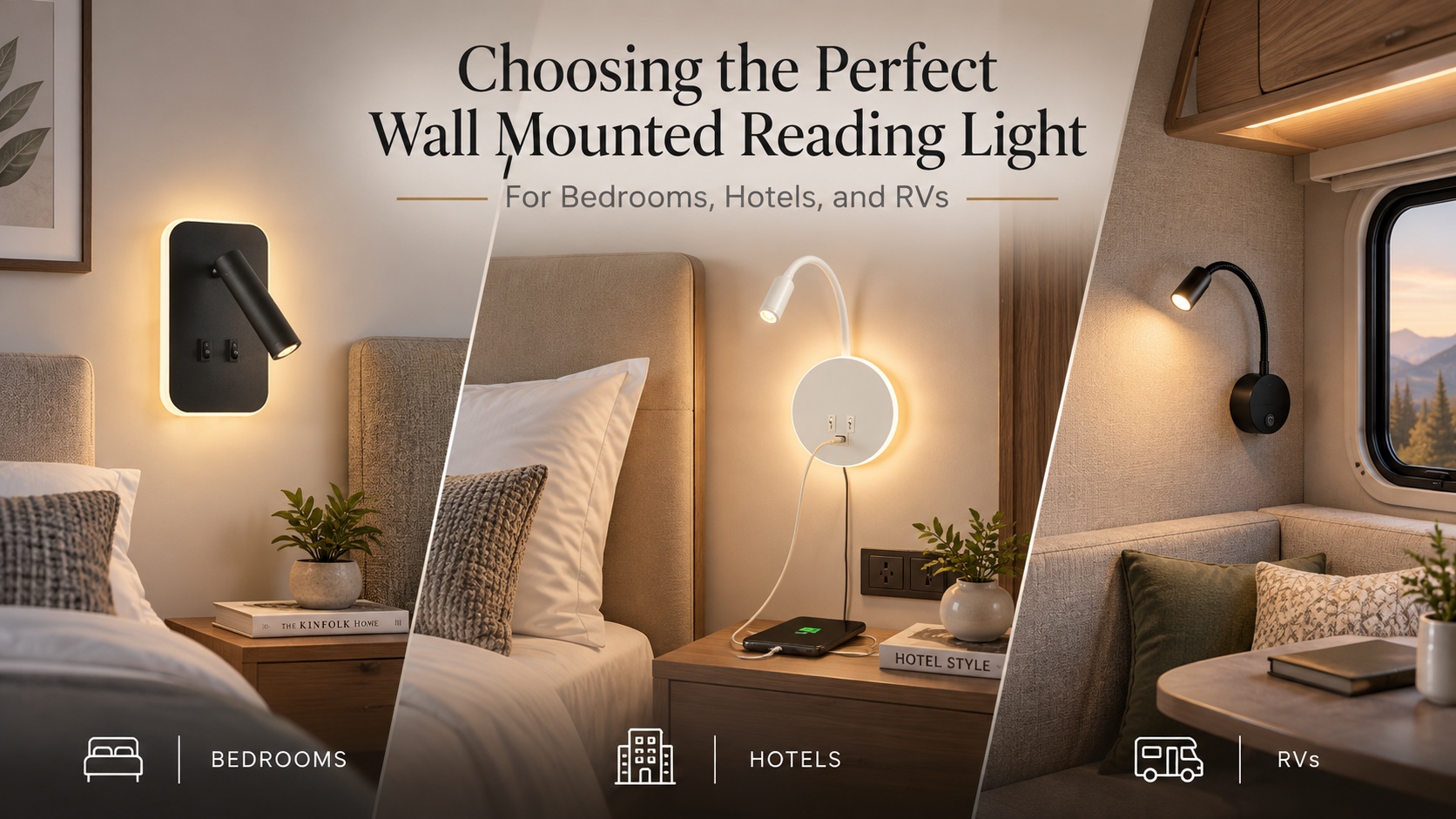
Learn how to choose the right wall mounted reading light for bedrooms, hotels, and RVs. Compare fixed and flexible arms, color temperature, USB charging, voltage, and installation needs.
How to Choose the Right Wall Mounted Reading Light for Bedrooms, Hotels, and RVs
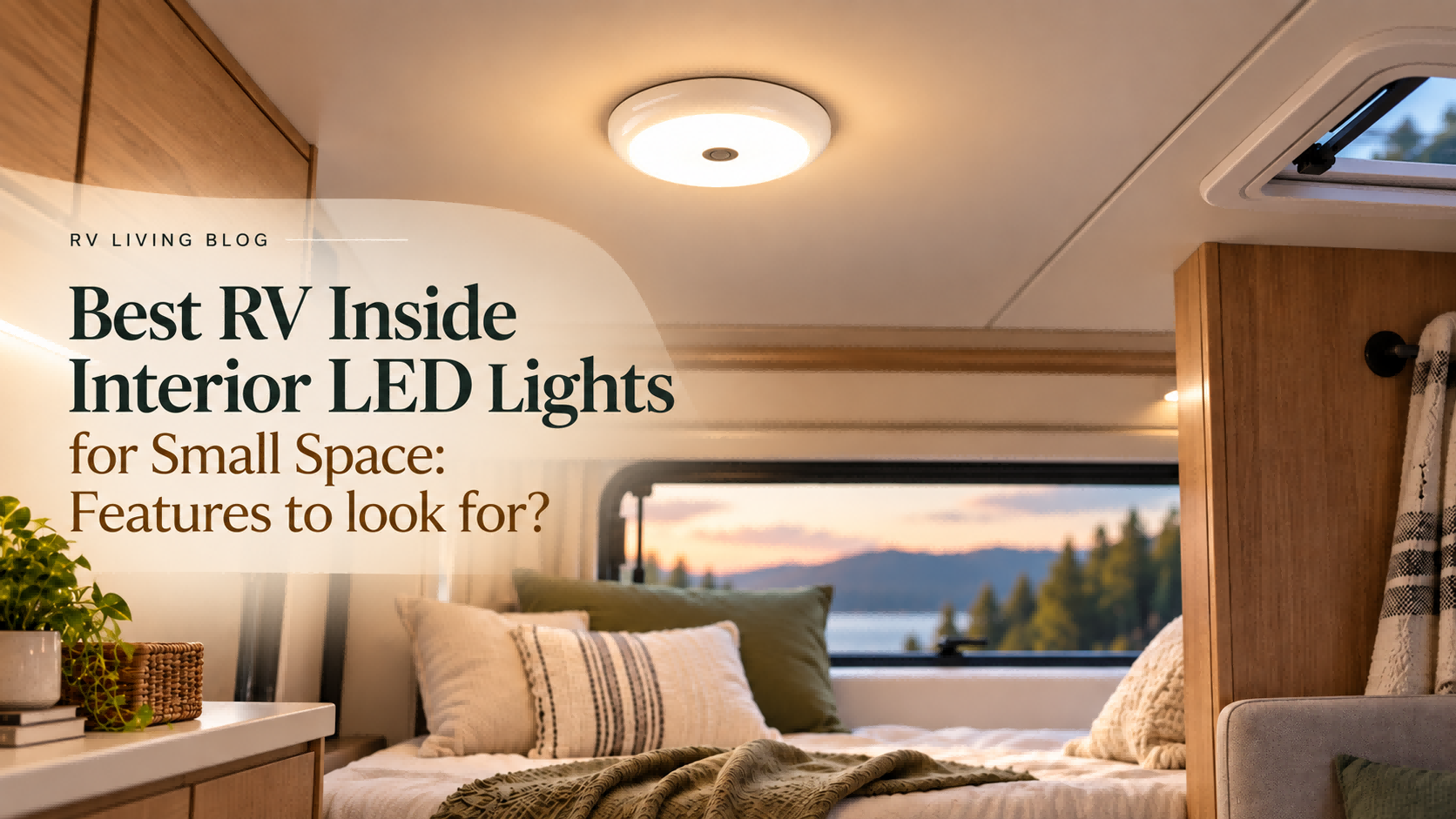
Learn how to choose RV interior LED lights for small spaces, including RV ceiling light size, voltage, brightness, beam angle, dimming, color temperature and installation.
Best RV Inside Interior LED Lights for Small Space: Features to look for?
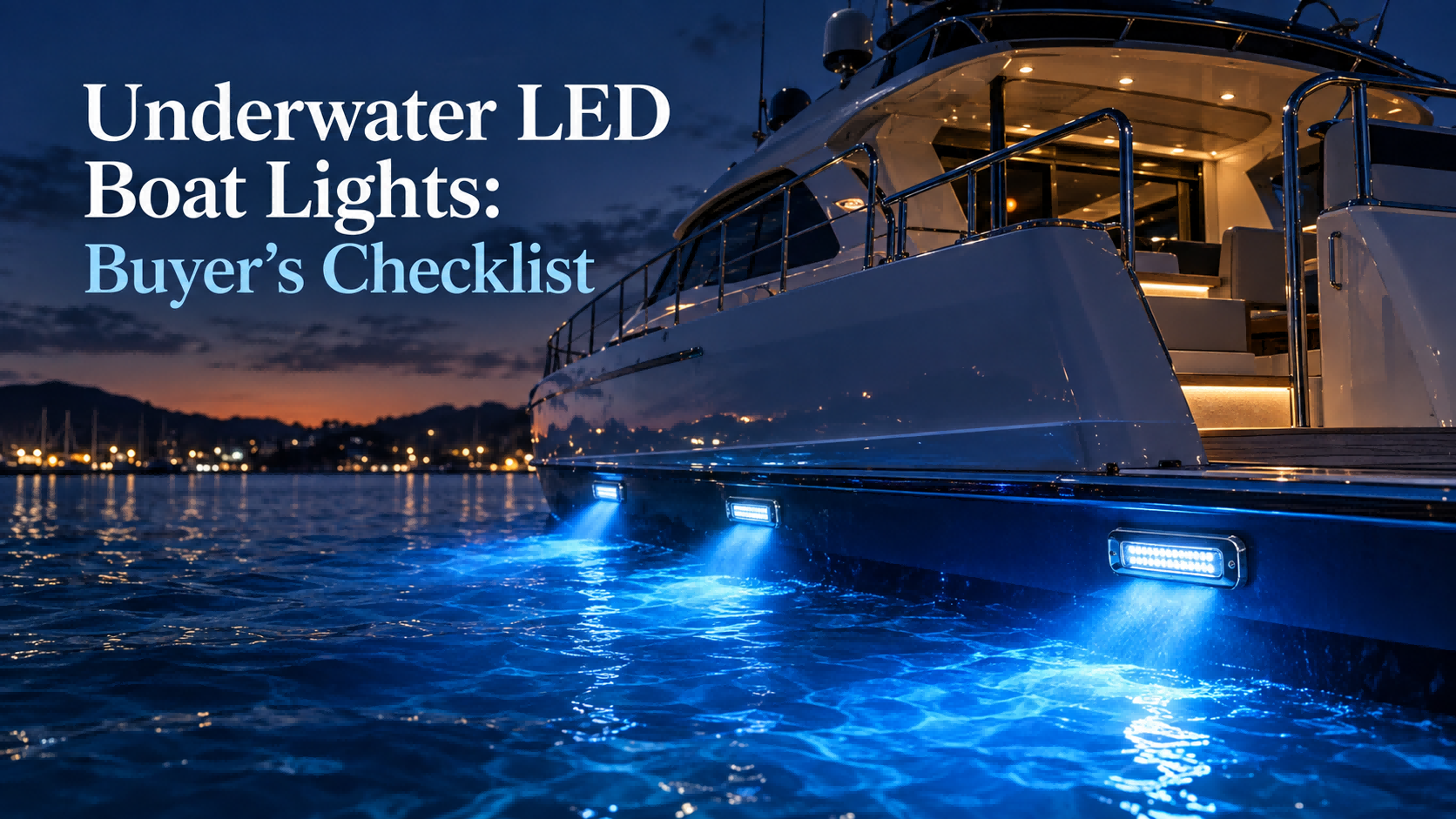
This buyer’s guide explains the key factors to compare when choosing underwater LED boat lights, from IP68 waterproofing and stainless steel to installation, corrosion resistance, cables, and testing.
Buyer’s Checklist for Underwater LED Boat Lights: What Should You Compare?
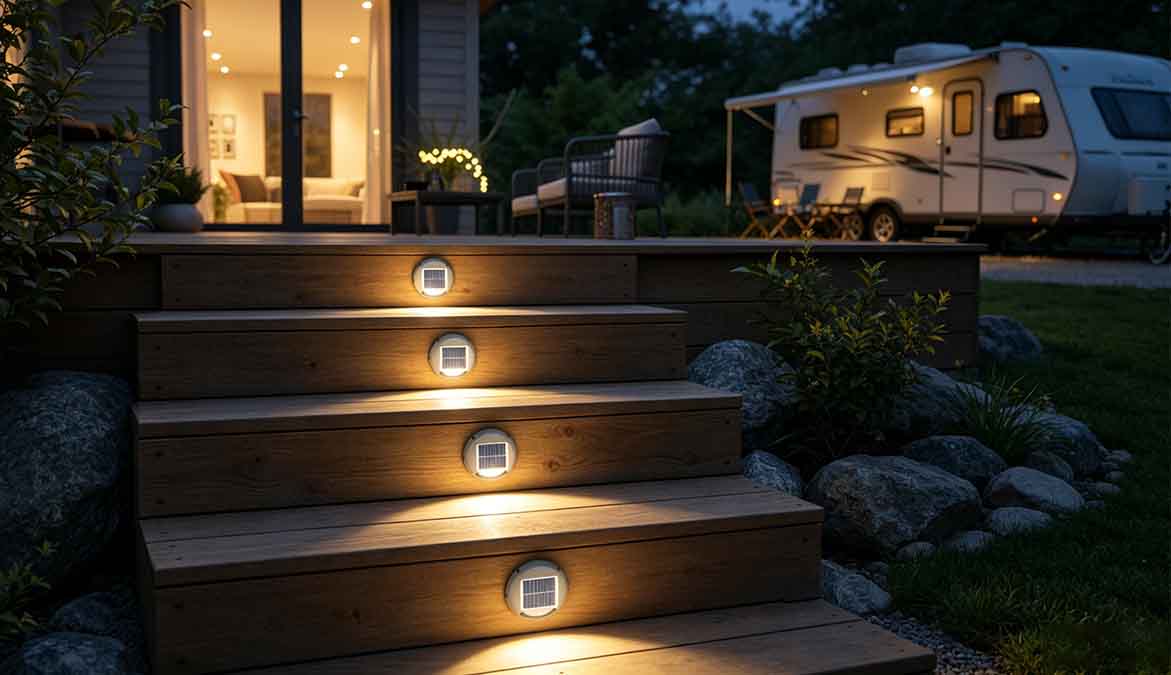
Looking for the best solar deck stair lights in 2026? This guide compares waterproof ratings, battery life, materials, lighting color, and installation methods to help you choose durable outdoor lighting for decks, pathways, RVs, and marine environments.
Best Solar Deck Stair Lights for Outdoor Steps in 2026